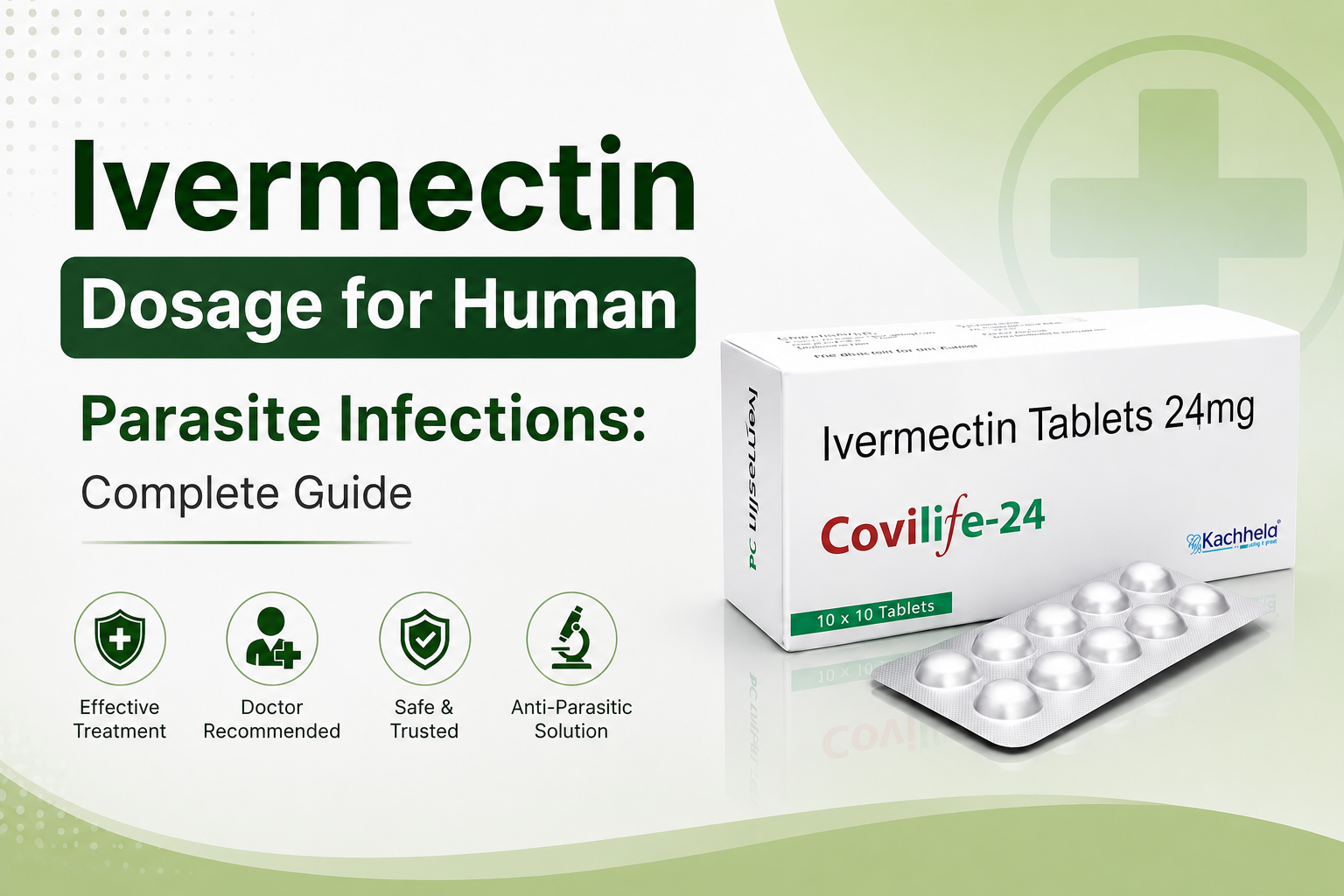
Ivermectin Dosage for Human Parasite Infections: Complete Guide

Ivermectin Dosage for Human Parasite Infections: Complete Guide

Ivermectin is a widely used antiparasitic medication that has helped treat several parasitic infections in humans. It belongs to a group of medicines called Anthelmintics, which work by targeting certain parasites and preventing them from surviving in the human body.

Because different parasites require different treatment approaches, Ivermectin Dosage For Humans every infection. The correct dose is determined by factors such as the type of parasite, patient weight, age, overall health, and the advice of a qualified healthcare provider.

What Is Ivermectin Used For?

Ivermectin is approved in many countries for treating certain parasitic infections. It works by interfering with nerve and muscle function in parasites, helping the body eliminate them.

Common human parasite infections where ivermectin may be prescribed include:

  • Strongyloidiasis (intestinal roundworm infection)
  • Onchocerciasis (river blindness)
  • Scabies caused by mites
  • Head lice in some treatment situations
  • Certain other parasitic conditions as determined by a healthcare provider

The medication is usually prescribed when a specific parasite has been identified or strongly suspected.

How Is Ivermectin Dosage Determined?

There is no single ivermectin dose that applies to everyone. Healthcare professionals consider several factors before recommending treatment.

1. Type of Parasite Infection

Different parasites respond differently to treatment. The number of doses, timing, and treatment duration can vary depending on the infection.

For example:

  • Some infections may require a single treatment.
  • Others may require repeated doses or follow-up evaluation.
  • Severe or complicated infections may need additional medical monitoring.

2. Body Weight

Ivermectin dosing is often calculated based on body weight. A healthcare provider determines the appropriate amount based on the patient’s weight and medical condition.

Never adjust your dose without professional guidance.

3. Age and Health Condition

Doctors may consider:

  • Age of the patient
  • Liver health
  • Existing medical conditions
  • Other medications being taken
  • Previous reactions to medicines

Children and older adults may require special consideration.

Ivermectin Treatment for Common Parasite Infections

Ivermectin for Strongyloidiasis

Strongyloidiasis is caused by the Strongyloides stercoralis parasite, which can live in the intestines and sometimes cause serious complications, especially in people with weakened immune systems.

Treatment decisions depend on:

  • Severity of infection
  • Patient health status
  • Laboratory results
  • Medical history

A healthcare provider determines the correct ivermectin treatment plan.

Ivermectin for Scabies

Scabies is caused by tiny mites that burrow into the skin, leading to:

  • Severe itching
  • Skin irritation
  • Small rashes or bumps

Ivermectin may be considered in certain cases, especially when topical treatments are not suitable or when recommended by a healthcare professional.

Treatment may also require:

  • Treating close contacts
  • Washing clothing and bedding
  • Following hygiene instructions

Ivermectin Doses chart

Ivermectin has a simple dosing chart for Onchocerciasis and Strongyloidiasis. It comes down to 150micrograms per kg of weight for these parasitic infections and it can come up to 200micrograms per kg of weight in case of severe situations with a higher parasite load.

Condition Dosage (mcg/kg) Dosing Frequency Example for 60 kg Adult
Scabies 200 mcg/kg One dose, repeat after 7–14 days 12 mg tablet
Strongyloidiasis 200 mcg/kg Single dose, may repeat after 2 weeks 12 mg tablet
Onchocerciasis (River Blindness) 150 mcg/kg Single dose every 6–12 months 9 mg tablet
Head Lice 200 mcg/kg One dose, repeat after 7 days if needed 12 mg tablet
Filariasis 150–200 mcg/kg Single annual dose 9–12 mg tablet

How Should Ivermectin Be Taken?

Follow your healthcare provider’s instructions carefully.

General medication safety tips include:

  • Take ivermectin exactly as prescribed.
  • Do not take extra doses if symptoms continue.
  • Do not share prescription medication with others.
  • Inform your doctor about other medicines or supplements you use.

Important Safety Precautions

Before using ivermectin, discuss your medical history with a healthcare professional, especially if you:

  • Have liver problems
  • Are pregnant or breastfeeding
  • Are taking other medications
  • Have a weakened immune system
  • Have a history of medication allergies

Using ivermectin without proper medical guidance may lead to incorrect treatment or unnecessary risks.

Can You Buy Ivermectin Online Safely?

If ivermectin is prescribed for you, purchase it only from a reliable and licensed pharmacy. Avoid products from unknown sources, as counterfeit or improperly stored medicines may not be safe or effective.

When looking for information about options such as Ivermectin 12mg Online always prioritize:

  • Verified pharmacies
  • Proper labeling
  • Prescription requirements where applicable
  • Professional medical advice

FAQs:-

  • What is the correct ivermectin dosage for humans?

The correct dosage depends on the parasite being treated, body weight, and individual health factors. A healthcare professional should determine the appropriate treatment.

  • Can I take ivermectin without a prescription?

Ivermectin should be used only when medically appropriate and according to healthcare guidance.

  • How long does ivermectin take to work?

The response time depends on the type of infection and the individual patient. Some symptoms may improve quickly, while others may take longer.

  • Can ivermectin treat all parasites?

Yes. Ivermectin is effective against certain parasites but does not treat every type of parasitic infection.

References:

Categories:-

noah1902389@gmail.com

Leave a Reply

Your email address will not be published. Required fields are makes.

Top Img back to top